The WorkForce Blog

VISION 2024: Ignite Conference—Day 1 Recap
Apr 24, 2024
Day 1 of VISION 2024: Ignite, our premier modern workforce management event, was full of enlightening sessions and engaging roundtables.

VISION 2024: Ignite Conference—Day 1 Recap
Blog
Day 1 of VISION 2024: Ignite, our premier modern workforce management event, was full of enlightening sessions and engaging roundtables.
Read More

Reshaping Workforce Management Strategies to Meet Growing Employee Expectations
Blog
See how evolving preferences and pivotal factors have led to a transformative shift in workforce expectations.
Read More

How Next-Gen Time Management Supports System of Record Compliance
Blog
Businesses must evaluate their time tracking solutions to ensure the solution meets compliance and efficiency needs.
Read More

The Persistent Rise of Fair and Predictive Scheduling
Blog, Compliance
See why fair and predictive scheduling benefits workers and businesses alike boosting satisfaction, productivity, and work-life balance.
Read More

Workforce Management Excellence: A Review of the WorkForce Suite
Blog
Info-Tech’s Buyer Experience Report for WorkForce Software outlines why 97% of customers see high value and plan to renew.
Read More

Top 10 Workforce Management Predictions for 2024
Blog
See why HR’s role is transforming with the advancement of digital technologies, driving innovation, efficiency, and strategic business success.
Read More

Going Beyond Greater Alignment— Findings from the Third Annual Employee Experience Study
Blog
The insights from our 2023 Global Employee Experience Study that highlight the need for large organizations to improve on key experience…
Read More

4 Options for When an FMLA Leave Year Starts
Blog, Compliance
Explore FMLA leave year options and their implications for employers and employees, including military caregiver leave and communication requirements.
Read More

3 Ways to Help Employees Manage Work-Life Balance with Flexible and Fair Scheduling
Blog
Flexible scheduling, predictive shifts, and streamlined time off enable balance, boosting retention can help employees achieve greater work-life.
Read More

6 Essential Considerations When Choosing the Right Workforce Management Solution
Blog
If you’re in the market for a new workforce management solution, use this guide to make the best choice…
Read More

Mastering Time and Attendance System Deployment: A Guide to Navigating Implementation Obstacles
Blog
This guide helps companies successfully implement WorkForce Time and Attendance by planning for challenges, testing thoroughly, and focusing on change…
Read More

U.S. Department of Labor Releases New Independent Contractor Final Rule
Blog, Compliance
A new DOL rule clarifies worker classification, emphasizing six factors that employers must consider to ensure compliance and avoid legal…
Read More

How Achieving Accurate Time and Attendance Management Can Help Fund Your HCM Digital Transformation
Blog
Discover how a modern time and attendance solution can help fund HCM transformation, optimizing costs and driving revenue growth.
Read More
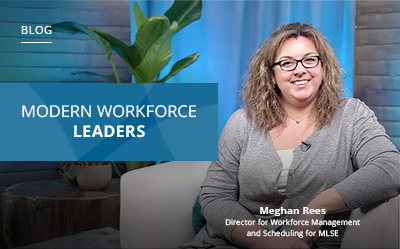
Equipping A Diverse Workforce to Meet Customer Expectations
Blog, Modern Workforce Leaders
Learn how MLSE unites its multi-generational workforce by embracing flexibility, meeting diverse needs, and aligning employees behind a shared purpose.
Read More

Separating Leaders from Laggards: 5 Essential Workforce Management Insights from The SAPinsider HCM and SAP S/4HANA Report
Blog
Discover the 5 key factors that distinguish successful leaders from laggards in today's dynamic workforce management landscape.
Read More

Cook County Continues National Trend Mandating Paid Leave for Any Reason
Blog, Compliance
Cook County, IL., converts sick leave to paid time off for any reason, following the nation-wide trend toward employee-centric legislations.
Read More
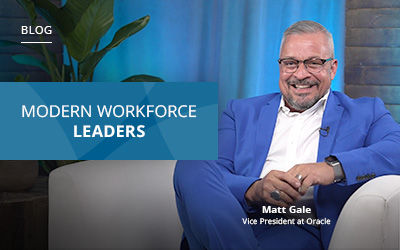
Why the Right Technology Can Support an Adaptable Workforce
Blog, Modern Workforce Leaders
Matt Gale shares how adapting to new workforce realities depends on investments in better data and authentically engaging employees.
Read More

Employee Attrition Rate—A Critical Metric for Organisational Health
Blog
Harness workforce data to illuminate early signs of attrition, enable timely interventions and greater stability through enhanced employee experiences.
Read More

Transforming Technology Means Investing in Your Workforce
Blog, Modern Workforce Leaders
PSAC's Kathy MacLellan shares how listening to employees during technology implementations enabled a successful transformation.
Read More

A Great Employee Experience Unlocks Employee Engagement in Times of Change
Blog
There’s a clear connection between employee experience and engagement. Employers must leverage modern tools to create frictionless, people-first workforce…
Read More

FMLA Mistakes You May Not Know About
Blog, Compliance
Even after decades of following FMLA rules, employers can still struggle to properly adhere to lesser-known rules.
Read More

Toolkit for Improving the Deskless Worker Employee Experience
Blog
Steve Goldberg shows why assessing deskless workers requires creative, multifaceted methods to reveal employee experience gaps and create improvement framework…
Read More

Smart Manufacturing Transformation Depends on Modern Workforce Management Capabilities
Blog
Smart manufacturing needs modern workforce management to optimize labor, empower employees, and drive efficiency.
Read More

Navigating the Complex Layers of Collective Bargaining Agreements with Modern Workforce Management
Blog, Compliance
The complexities of collective bargaining agreements pose compliance challenges, but modern workforce management solutions offer automated, unified processes to keep…
Read More

California Enacts Significant New Leave Entitlements for Employees
Blog, Compliance
California's new reproductive loss and expanded paid sick leave entitlements demand employer attention, adapting policies will prove vital for compliance.
Read More

Key Insights from the 2023 Gartner® Market Guide for Workforce Management Applications Report
Blog
Gartner shows how workforce management technology helps organizations optimize labor, foster employee experience, and drive workforce transformation.
Read More

Scheduling: Core to the Deskless Worker Employee Experience
Blog
As disengagement grows for deskless worker populations, scheduling software is crucial to improve employee focus on meaningful work, career advancement,…
Read More

The Future of Retail: How Flexible Work Can Elevate Customer Service
Blog
Annualised hours offer employees flexible scheduling while helping retailers scale staff for peaks in customer demand.
Read More

Operational Communications and Deskless Workers
Blog
See how the Hierarchy of Needs applies to deskless workers, and how operational communications helps them reach their full potential.
Read More
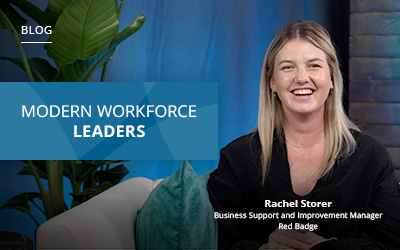
Adapting to Change and Modern Leadership: Insights from Red Badge Group
Blog, Modern Workforce Leaders
Explore how Red Badge Group applies innovation and employee-focused strategies to navigate business disruptions and lead effectively.
Read More

New Proposed DOL Rule 2023: How It Increases Overtime Pay Eligibility for Millions of Employees
Blog, Compliance
Explore the new proposed DOL rule's impact on overtime pay, potentially making an additional 3.6 million U.S. workers eligible. Understand…
Read More

Unmatched Value and Support: WorkForce Software’s Principles of Customer Experience and Success
Blog
Discover WorkForce Software’s commitment to your enduring success. Learn about our tailored, innovative solutions and exceptional, continuous support in…
Read More

Sick Leave Legislation in Norway and Sweden: What You Need to Know and How WorkForce Software Can Help
Blog, Compliance
See how changes in sick leave in Norway and Sweden can present complex challenges and how the WorkForce Suite can…
Read More

Some Employee Experience Perspectives of Employers Still Fall Short
Blog
Steve Goldberg discusses how showing employees their true value can materially impact business performance.
Read More

The Surge of Pay Transparency Laws and Evolving Compliance Landscape
Blog, Compliance
As pay transparency laws begin to surge across U.S. States, discover how this new legislation can bridge gaps, boost…
Read More
Harnessing the Power of Data to Help Employees Recognize Their Impact
Blog, Modern Workforce Leaders
Joe Green shares how equipping employees with data that quantifies their contributions can drive buy-in and true engagement.
Read More

The Future of Modern Workforce for Mining – 5 Strategies for Workforce Transformation
Blog
It's time to tackle the skills shortage, boost employee experience, and embrace technological innovation. See more in this guide.
Read More

Navigating Workforce Challenges in Manufacturing: Insights from the 2023 IDC Report
Blog
It's time to tackle the skills shortage, boost employee experience, and embrace technological innovation. See more in this guide.
Read More

A “Good Work Experience” Through the Frontline Worker Lens
Blog
What does “good work experience” mean for frontline workers? Learn how flexibility and communication, among other things, contribute to a…
Read More

Germany Launches New Time Recording Legislation for All Employees
Blog, Compliance
How can German organisations find balance emerging legal requirements whilst fostering a workplace culture that embraces trust, productivity, and employee…
Read More

Overcoming the Challenges of SAP Time and Attendance Implementation
Blog
Successfully navigate roadblocks and challenges of your implementation journey and see the benefits of SAP Time and Attendance by WorkForce…
Read More

Guidelines for an Effective and Compliant ADA Interactive Process
Blog, Compliance
Learn how to proactively engage with employees to ensure they are given ADA accommodation and avoid costly compliance errors.
Read More
Strategies for Investing in Your Employees
Blog, Modern Workforce Leaders
As the first in our Modern Workforce Leaders Series, Erica Niesse, Executive Vice President of implementation services, shares insights on…
Read More

The Benefits of Delivering a Great ‘EX’ to Deskless Workers
Blog
Pandemic pressures have made it clear that organizations must harness the benefits that come from delivering excellent employee experience.
Read More

UAE Announces Four-Day Working Week for Government Employees from July 1
Blog, Compliance
The United Arab Emirates (UAE) public sector officially moves to the 4-day working week. See how WorkForce Software can help…
Read More

New Minnesota Laws Impose Far-Reaching Changes on Employers
Blog, Compliance
Stay compliant and informed on Minnesota’s latest employment law changes including earned sick leave, nursing breaks, parental accommodations, and…
Read More

4 Tips to Bring Organizational Change from Other Trailblazers
Blog
Ready to be an agent of change in your workplace? Discover tips from other trailblazers 4 tips to bring organization change.
Read More

UAE State Sharjah 4 Day Working Week
Blog, Compliance
See how the implementation of the 4-day work week in the UAE State Sharjah has created unique compliance challenges.
Read More

Must Employees Always Be Reinstated When They Return from FMLA Leave?
Blog, Compliance
Explore FMLA exceptions: from fitness-for-duty certifications to key employees, discover when employers can deny reinstatement.
Read More

Reclaiming Time: A Recap of the Ending the Tyranny of Time Clocks' Webinar
Blog
Discover how modern scheduling technology is redefining the way we work in our recap of WorkForce Software's webinar "Ending the…
Read More

Overcoming Four Major Manufacturing Workforce Challenges in 2023
Blog
In this SAP Fireside Chat, hear the industry experts discuss solutions for the top four manufacturing workforce challenges.
Read More

Nucleus 2023 WFM Technology Value Matrix Report Lists WorkForce Software as a Leader for the 9th Time
Blog
For the 9th time, Workforce Software ranks as the leader in the Nucleus 2023 WFM Technology Value Matrix Report.
Read More

Navigating Swedish Vacation Laws: Flexibility, Compliance and Automation
Blog
Explore Swedish vacation laws and WorkForce Software’s automated solution to streamline compliance, reduce costs and enhance employee satisfaction.
Read More

Shaping the Future of Work at the VISION 2023: Essentials Conference
Blog
The VISION 2023: Essentials conference made it clear that organizations need to take action to capitalize on their ultimate competitive advantage—…
Read More

Seven Steps for Ensuring Employer Compliance
Blog, Compliance
Staying compliant with ever-changing legal obligations can be daunting. Ensure employer compliance with these steps.
Read More

VISION 2023: Essentials Conference Recap Day 2
Blog
VISION 2023: Essentials Day 2 was a day of packed sessions, employee engagement insights, and success stories.
Read More

VISION 2023: Essentials Conference Recap Day 1
Blog
Vision 2023: Essentials Day 1 kicks off with an all-star lineup of keynotes, sessions, and networking!
Read More

8 Steps for a Seamless Time and Attendance Software Implementation
Blog
Use this checklist to serve as a quick reference guide when implementing SAP Time & Attendance by WorkForce Software.
Read More

How Flexible Working Can Increase Productivity and Employee Engagement
Blog, Compliance
Flexible working boosts productivity and employee engagement. Learn how to ensure compliance, adapting to new UK legislation and industry needs.
Read More

Department of Labor Issues New FMLA and FLSA Guidance
Blog, Compliance
The U.S. Department of Labor has new guidance on FMLA and FLSA. Here’s what employers need to know…
Read More

Four Challenges That Can Be Solved with Modern Workforce Management in the Cloud
Blog
Hear from industry experts how to lead through change and emerge a winner with cloud-based workforce management.
Read More

Los Angeles Continues National Trend with New Fair Workweek Ordinance
Blog, Compliance
Learn more about fair workweek laws impacting Los Angeles and cities across the United States.
Read More

The Benefits of Modern Workforce Scheduling
Blog
Modern workforce scheduling technology must be able to accommodate all types of employees, especially deskless workers.
Read More

Does HR Technology Cost Jobs?
Blog
Modern workforce management focuses on supporting employees—not replacing them.
Read More

Techniques to Optimize Workforce Scheduling
Blog
More efficient ways to manage your workforce scheduling—for both your organization and your employees.
Read More

Workforce Management Automation: Enhancing Teams (Without Replacing Them)
Blog
Automating time-consuming tasks can help organizations address both process efficiency and worker performance to make better use of employee time.
Read More

Where We Are and Where We’re Going: The State of North America Compliance Report
Blog
The current state of leave protection, regulation, and compliance in North America.
Read More

New Federal Employment Protections for Pregnant and Nursing Employees
Blog
New legislations PWFA and PUMP have updated regulations for employers regarding pregnant and nursing workers.
Read More

Three Ways to Turn Awareness into Action with the 2022 Workforce Experience Gap
Blog
Discover major takeaways from the 2022 Workforce Experience Gap.
Read More

Workforce Management Solutions: A Critical Enabler for Operational Agility
Blog
Learn how digital workforce management supports your core business to achieve greater stability and growth.
Read More

“Future Proofing” Your Business with Intelligent Workforce Management
Blog
Removing mundane and repetitive tasks through automation frees up employees to focus on “big picture” business goals.
Read More

Supporting Mental Health in the Workplace
Blog
"Many recent changes to regulations and compliance legislation seeks to address mental health issues in the workplace."
Read More

How to Train Your Next Generation of Company Leaders
Blog
"The best laid strategies don't last forever. Prepare your teams today for the challenges of tomorrow."
Read More

Key Takeaways from the UK 2022 Autumn Statement
Blog, Compliance
Key takeaways from the UK Chancellor’s 2022 Autumn Statement, including details on plans to increase taxes and reduce spending.
Read More

Next-Gen Workforce Management and Frontline Worker Employee Experience Technology Are High Priorities
Blog
Keep up with the latest insights and trends into the HCM market with Gartner’s annual report.
Read More

FMLA Compliance Review
Blog
Catch up on the complexities of the FMLA to ensure you meet your organization’s legal obligations and support your…
Read More

“Fatigue Is Not a Virtue”: How to Fight Deskless Worker Burnout
Blog
"Fatigue is not a badge of honor. Providing workers with rest and avoiding burnout consistently results in better performance across…
Read More

Changes Coming to New York State Paid Family Leave in 2023
Blog, Compliance
Stay informed and keep ahead of upcoming compliance modifications in the Empire State.
Read More

Three Trends Facing Manufacturing’s Challenging Labor Market
Blog
Rapidly changing industries provide unique challenges: how will your organization adapt?
Read More

Keeping Remote, Hybrid, and Deskless Workers Connected with Their Organizations
Blog
WorkForce Software's Director, Product Marketing Scott Bamford discusses the best ways to keep all employees productive and connected to the…
Read More

New Legislation Imposes Additional Family Leave Obligations on California Employers
Blog, Compliance
The California Family Rights Act (CFRA) provides eligible employees with up to 12 weeks of unpaid, job-protected leave during any 12-month…
Read More

Fighting Fragmentation: Takeaways from the Gartner ReimagineHR Conference
Blog
The Gartner ReimagineHR Conference presented its audience with the latest information on difficulties facing their industry, such as employee fragmentation.
Read More

Three Challenges Faced by Higher Education (and Their Solutions!)
Blog
Higher Education institutions face unique challenges compared to other industries. Their solutions must be unique as well.
Read More

Ensure Compliance with Employee Workplace Rights
Blog, Compliance
Employee workplace rights you must keep in mind to motivate your workforce, remain compliant, and avoid hefty penalties.
Read More

Keeping Good Employees in Stock: The True Value of the Modern Retail Associate
Blog
While branding and advertising will get customers into the store, retailers rely on their associates to be the face of…
Read More

Applying WFM Solutions to Help Accommodate Unionization
Blog
The pandemic aftermath has seen an uptick of unionization in many industries. Digital solutions are necessary to facilitate the changes…
Read More

The Top 7 Challenges Deskless Workers Face
Blog
Deskless workers account for almost 80% of all workers worldwide. We dig deeper into the obstacles deskless worker employees struggle with.
Read More

What Is Preventing Retailers from Winning with Workforce Supporting Technology?
Blog
Changing times has led many retailers to reevaluate the value of their workers. Learn how organizations are using workforce technology…
Read More

What Qualifies as a Serious Health Condition Under the FMLA?
Blog, Compliance
Employers can be exposed to extensive liability for FMLA interference or denial if they do not respond promptly to an…
Read More

Attracting and Retaining Talent: What Employers Should Look For
Blog
What do workers want? What keeps them engaged, motivated, and satisfied in their roles? WorkForce CEO Mike Morini shares his…
Read More

Where Have All the Skilled Manufacturing Workers Gone?
Blog
The jobs gap in manufacturing is expected to be 2.1 million unfilled positions by 2030. Where have these workers gone and what…
Read More

Bundled vs. Best: Why Standalone WFM Solutions Outrank Bundled HCM Tools
Blog
HCM platforms boast of bundled workforce management capabilities. But research shows that users prefer the power and ability of standalone…
Read More

Empowering Others in the Workplace - It’s Everyone’s Job
Blog
Discover the key takeaways from the Ascend 2022 Women in Technology Panel
Read More

Alberta, Canada: More Job-Protected Leave for Employees
Blog, Compliance
Canada’s fourth-largest province, Alberta, is experiencing a boom in workers and is looking to attract more. Learn how employers…
Read More

Give Employees a Break: Complying with California’s Meal Break Law
Blog, Compliance
One of California's most frequently violated employment laws is its meal break rule, requiring employers to provide non-exempt employees with…
Read More

Keeping Up with the Times: Modern Workforce Management for Modern Workforce Realities
Blog
Organizations today are operating in a time of accelerating change. Modern workforce management is the solution to adapt to change…
Read More

Nucleus 2022 WFM Technology Value Matrix Report: WorkForce Software Leads Vendors in Usability and Functionality
Blog
See why Nucleus recognizes WorkForce Software as the leader for the efficiency, functionality, and usability of its solutions for the…
Read More

5 Things to Include in a Retail Store Visit Report
Blog
Store visits and audits are necessary for assessing the effectiveness and performance of your retail store, but aren’t always…
Read More

Retail Tech Show Recap: Driving Retail Employee Engagement and Retention with Modern Workforce Management
Blog
WorkForce Software SVP (EMEA) Steve Tonks recently spoke at the Retail Technology show in London on the important role workforce…
Read More

Changing Times, Changing Tech: Meeting Post-Pandemic Demands with Workforce Management
Blog
HR and operations teams are being asked to realign their workforce while still achieving their business goals. Here’s how…
Read More

The Next Generation of HR Technology
Blog
The world of work is changing fast, and so too are employee expectations. New HR technologies can help businesses stay…
Read More

Deskless Shift Workers: Who Are They?
Blog
Despite making up 80% of all workers, Deskless Workers are frequently underserved and misunderstood. Learn more about these people and the…
Read More

WorkForce Software VISION 2022: Helping Employees Do More with More
Blog
Whether employee feedback or a simple check-in on a virtual timeclock, workforce management provides more avenues for employer to employee…
Read More

How to Conduct a Digital Retail Branding Compliance Audit
Blog
Are your frontline teams implementing and maintaining HQ directives? A compliance audit may be just what you need.
Read More

Maryland Continues National Trend of Paid Family and Medical Leave for Private-Sector Workers
Blog, Compliance
There has been a growing trend for states to legislate paid family and medical leave for private employees. Maryland recently…
Read More

Creating a Digital Retail Opening and Closing Checklist
Blog
In retail, every day involves setting up and breaking down the store for the day. Here's how to set up…
Read More

The Deskless Worker Takes Center Stage at VISION 2022 – The Experience Conference
Blog
Mike Morini, CEO, WorkForce Software shares the key takeaways from VISION 2022: The Experience Conference and the innovations supporting the unique…
Read More

Managing Time and Attendance for Deskless Shift Workers
Blog
One of the main challenges for organizations with deskless employees is managing their time and attendance. Find out how to…
Read More

VISION 2022: The Experience Conference Day Two Recap
Blog
Here’s a look into what we learned on day two of VISION 2022: The Experience Conference.
Read More

Department of Labor Increasing FMLA and FLSA Audits
Blog, Compliance
HR Compliance is a complicated part of running any company. Streamlining and automating these processes with modern workforce management software…
Read More

VISION 2022: The Experience Conference Day One Recap
Blog
The first day of VISION 2022 was jam packed with the knowledge, insights, and tools that are helping today’s organizations…
Read More

Employee Scheduling: Dated Mindsets and How to Challenge Them
Blog
HR managers overwhelmed by employee scheduling turn to WorkForce Software to increase efficiency, improve productivity, and modernize their workforce.
Read More

5 Signs You’re Using an Outdated Retail Task Management System
Blog
If your retail task management software looks like something that could run on Windows 98, you’re probably doing it wrong.
Read More

Disruptions, Solutions, and Customer Satisfaction: The Argument for Intelligent Workforce Management
Blog
The experts from IDC and Oracle discussed the importance of intelligent workforce management to any modern business. Here’s what…
Read More

Best Practices for Maintaining HR Compliance in a Rapidly Changing Workforce
Blog, Compliance
HR Compliance is a complicated part of running any company. Streamlining and automating these processes with modern workforce management software…
Read More

Time Tracking: How to Improve Productivity and Efficiency for Deskless Shift Workers
Blog
Advances in analytical software and time tracking technology have allowed organizations to gather a wealth of data, highlighting the link…
Read More

Time and Attendance Management: Best Implementation Strategies for Your Organization
Blog
WorkForce Software helps organizations with streamlined approaches to the time and attendance management process.
Read More

Takeaways from the IDC Technology Spotlight: The Imperative and Value of Intelligent Workforce Management
Blog
As demand for better digital workspaces grows, the best workforce management solutions will drive measurably better business results. Learn how…
Read More

California COVID-19 Supplemental Paid Sick Leave Returns for 2022
Blog, Compliance
Learn about the latest updates to California's COVID-19 Supplemental Paid Sick Leave, which are applicable from January 1, 2022 to September 30, 2022.
Read More

Thoughts and Takeaways on the Great Resignation and the Future of Employee Experience
Blog
WorkForce CMO Sandra Moran shares her experiences from the recent HR Insights Summit about the common challenges facing organizations today…
Read More

How To Design Employee Experience Across Your Organization
Blog
Employee experience is a key indicator of success for most organizations. Learn how to design a seamless employee experience with…
Read More

The Compliance Deluge of 2021 – And What it Means for 2022
Blog, Compliance
Take a look at the employment legislation that impacted U.S. and Canadian organizations in 2021 and learn how employers can…
Read More

Is Your HR Tech Stack Falling Short for Your Deskless Shift Workers?
Blog
Deskless shift workers constitute the majority of the modern economy. Embracing technology can empower your non-office-based workforce and increase their…
Read More

EX Design Requires a Full Org Press - Employee Experience is Everyone's Responsibility
Blog
To combat employee shortages and talent loss, it is vital to understand that employee experience is everyone’s responsibility. In…
Read More

Fighting Employee Burnout During a Pandemic
Blog, Compliance
As the COVID-19 pandemic drags on, more workers are exhibiting and reporting signs of burnout. Here are a few strategies…
Read More

Don't Be Afraid to Give Employees What They Want (Your Bottom Line Will Thank You!)
Blog
Creating positive experiences for employees is one of the most neglected practices in organizations across the globe. A mind-shift is…
Read More

The Times "2021 Employee Experience Report: Managing the Experience of the Desked and the Deskless"
Blog
WorkForce Software Senior Vice President Marc Gingras discusses the importance of addressing the employee engagement paradigm.
Read More

How Investing in the Right Software Technology Is Guaranteed to Improve Employee Experience
Blog
Are your employees engaged at work? Here's how the right software technology can improve the employee experience, enhance job satisfaction,…
Read More

7 Ways to Improve Employee Experience in 2022
Blog
Employee experience describes how workers feel and think about their interactions with a company. Here are strategies for improving employee…
Read More

Compliance Update 2022: The New Year Brings New Employee Leave Entitlements
Blog, Compliance
Here are highlights of ten major leave law changes North American employers should know about.
Read More

The Do’s and Don’ts of Crafting a Stellar Employee Experience Strategy
Blog
Here we explore some examples of do’s and don’ts when creating your employee experience strategy.
Read More

New Year Resolutions for Employer Success and Compliance in 2022
Blog, Compliance
Here are several practices employers should follow to make their FMLA leave administration more efficient and protect against violations and…
Read More

Survey Results: How Businesses Are Addressing Negative Employee Experience
Blog
Workforce Software teamed up with the thought leaders at HRD Connect in Q2 of 2021 to survey senior HR professionals about…
Read More

WorkForce Software and the Tile Shop Talk Revolutionizing Every Employee’s Experience at HR Insights Summit
Blog
Here are some of the key takeaways from a WorkForce Software & Tile Shop presentation, "How HR Can Revolutionize Every Employee’…
Read More

7 Tips and Strategies for Effective Employee Communication in Retail
Blog
We've compiled a list of tips and strategies for effective internal communication to help every employee at your company get…
Read More

VISION 2021 a Game Changer for Organizations Intent on Transforming with Their Modern WorkForce
Blog
Over the course of two days and nine sessions, we provided an in-depth look at our workforce management solutions and…
Read More

Simplifying FMLA Leave Compliance
Blog, Compliance
Here are several practices employers should follow to make their FMLA leave administration more efficient and protect against violations and…
Read More

5 Scheduling Questions You Need to Ask Before Choosing a Vendor
Blog
Ask these questions to ensure your scheduling vendor can accommodate flexibility, maintain compliance, and improve employee experience.
Read More

Retail Execution Strategies Every Retailer Should Know
Blog
Read this list we've compiled of tips to improve your retail execution strategy in-store, so your store stands out from…
Read More

5 Tips for Streamlining Internal Retail Communications
Blog
Here are a few ways retailers can streamline internal retail communications and stay connected to their stores and field teams…
Read More

How Scheduling Optimization Can Better Employee Experience
Blog
Learn how leading organizations used a modern approach to employee scheduling throughout the pandemic, which has helped develop a thriving…
Read More

3 Tips for Improving Employee Experience at the Height of COVID Fatigue
Blog
At the 2021 Employee Engagement Summit, WorkForce Software’s Joe Ross discussed how M-WFM can help employers combat COVID fatigue and…
Read More

5 Ways to Engage Retail Employees and Boost Store Performance
Blog
Improving the employee experience is fundamental for retaining retail staff and meeting organizational goals.
Read More

4 Reasons Why Intranets May Inadvertently Be Slowing Your Team Down
Blog
For many, an intranet is still the foundation of a strong internal communication strategy. But go beyond headquarters, and you’…
Read More

Complying with Crime Victim Leave Laws: What You Need to Know
Blog, Compliance
Many places in the United States and Canada have passed laws for employees (or family members) that are victims of…
Read More

4 Tips for Identifying Employee Turnover Issues in Retail
Blog
Creating a positive employee experience that helps in retaining long-term, knowledgeable, and productive staff contributes to increased sales at stores.
Read More

Gartner Details the "New Generation" of WFM in New Report
Blog
Based on new research, Gartner says modern workforce management capabilities "have the potential to transform and augment WFM" as we…
Read More

Common Retail Communications Problems and How to Fix Them
Blog
Good communication helps stores run smoothly. Learn how to keep employees informed and engaged with solutions for common retail communications…
Read More

How HR Leaders Are Creating Moments that Matter to Improve Employee Experience
Blog
Here are four ways that HR leaders can create meaningful moments for their employees by improving the employee experience.
Read More

Compliance During and After a Pandemic
Blog, Compliance
Here are the employment law problems that employers need to watch for as the COVID-19 pandemic continues—from leave laws…
Read More

Why Too Much Overtime Is Causing Employee Burnout (and How to Fix It)
Blog
Technology is making it easy for employers to identify burnout caused by overtime and reveal problems through analytics, digital assistants,…
Read More

How Employers Can Prepare for Recurring Employment Law Issues
Blog, Compliance
An overview of U.S. labor laws that employers should be familiar with to remain compliant and adaptable.
Read More

Preventing "The Great Resignation" in Your Workforce with AI-Powered Insights
Blog
High levels of stress not only affect an individual’s health and personal well-being—they also affect how an organization …
Read More

2021 Mid-Year Workplace Compliance Check for Employers
Blog, Compliance
A 2021 mid-year look at recently passed employment laws in Canada and the United States that organizations should know about to…
Read More

Three Ways to Improve the Employee Experience for Deskless Workers
Blog
Here are three ways to get started with improving the employee experience for deskless workers in your organization.
Read More

Compliance Guidance: Reasonable Accommodation and Undue Hardship Under the ADA
Blog, Compliance
Learn which factors determine undue hardship for organizations providing reasonable accommodations to qualified employees under the ADA.
Read More

Upgrade Readiness: Preparing for a Successful Upgrade Project
Blog
Join WorkForce Software for a Pre-Kickoff Webinar to Help You Prepare for A Successful Upgrade.
Read More

No End in Sight for New COVID-19 Leaves: How to Stay Compliant
Blog, Compliance
Here is a partial list of recently enacted or modified COVID-19 leave laws for employers in the United States and…
Read More
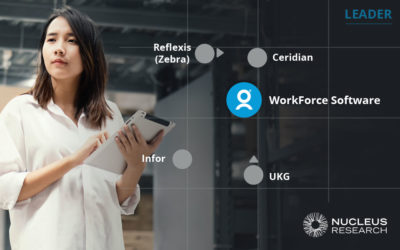
WorkForce Software Recognized as a 2021 Nucleus WFM Value Matrix Leader for the 7th Year in a Row
Blog
WorkForce Software has been selected as a leader in the 2021 Nucleus Value Matrix for WFM, our seventh consecutive year in…
Read More

What Employers Need to Know About New Expanded FFCRA Leave
Blog, Compliance
Here’s what employers need to know about FFCRA leave, including four important modifications from the Rescue Plan, all of…
Read More

8 Important Employment Law Changes for UK Employers in 2021
Blog
Here are eight UK employment law updates that are currently in effect or will likely be implemented this year.
Read More

The Times 2021 Employee Experience and Wellbeing Report: Sustained Agility for Business Resilience
Blog
Here's how your workforce management solution can help your employees embrace and adapt to uncertainty.
Read More

Don’t Just Survive, Thrive: Confidently Execute New Business Strategies with Innovative Workforce Management Technology
Blog
Learn how emerging technology in your workforce management solution can help you execute new business strategies with confidence.
Read More

6 Reasons Why Workplace Compliance is the First Step in Motivating Employees
Blog
Here are 6 areas in which workplace compliance acts as the cornerstone of a positive employee experience.
Read More

8 Compliance Tips for Employers Using Medical Certifications Under the FMLA
Blog
To help you navigate the FMLA medical certification process, here are eight important compliance tips that employers should keep in…
Read More

Don’t Just Survive, Thrive: Reaching New Heights by Moving Your Workforce to the Cloud
Blog
Here are four ways a cloud-based workforce management solution will help you thrive in the year ahead and ease any…
Read More

Don’t Just Survive, Thrive: Prioritizing Operational Agility in 2021
Blog
Without operational agility, it is nearly impossible for your organization to thrive in unpredictable environments. Learn how a workforce management…
Read More

Navigating New Employer Compliance Requirements in 2021 and Beyond
Blog
Here are several new employment laws in the United States and Canada that recently took effect or will take effect…
Read More

2020 Year-End Employer Checklist
Blog
As the end of 2020 draws near, there are several actions U.S. and Canadian employers should consider taking to reinforce…
Read More

Podcast Feature: How WorkForce Software Is Supporting Onsite Employees
Blog
Tune in to the ReThink Productivity Podcast to learn how WorkForce Software has been supporting those who can't work from…
Read More

Improving the Employee Experience with the WorkForce Suite
Blog, Product
WorkForce Software continues to capitalize on our unique position to continually improve employee-employer interactions.
Read More

California Significantly Expands CFRA Leave
Blog, Compliance
Effective January 1, 2021, the CFRA will be significantly expanded to include numerous provisions.
Read More

If You’re Ready to Re-Imagine Employee Scheduling, Be Sure to Ask These Tough Questions
Blog, Thought
5 tough questions you need to ask any prospective vendor to determine whether they are a true partner in your scheduling…
Read More

New DOL Opinion Letters Shed Light on Important Wage and Hour Issues
Blog, Compliance
The DOL recently released four opinion letters addressing a broad range of important wage and hour issues under the federal…
Read More

Employee Scheduling: A One-Size Approach Does Not Fit All
Blog, Thought
Here are the most common approaches and critical features to look for when evaluating employee scheduling solutions.
Read More

Is Your Current Approach to Employee Scheduling Costing You Money?
Blog, Thought
Here are 3 questions you need to ask yourself as part of any evaluation of your scheduling automation needs.
Read More

Your Employee Safety Questions Explained: How to Use Your Workforce Management Solution to Protect Your People
Blog, Product
You questions about pre-shift health screenings, clocking practices, and availability of meaningful data explained. Discover how your workforce management solution…
Read More

Scheduling Automation: The #1 Transformation You Need to Consider in 2020
Blog, Thought
If you are considering any digital transformation right now, an automated and thoughtful approach to employee scheduling should be at…
Read More

COVID-19 Guidance for Employers
Blog, Compliance
Employers need direction regarding wage & hour, leave of absence, and workplace safety issues. Here are a few key points you…
Read More

Top 3 Reasons to Attend VISION 2020
Blog, Thought
We’ve decided to take the VISION 2020 conference virtual this year. Here are the top 3 reasons why you should mark…
Read More

Implementation Success for Workforce Management Software Hinges on Testing and Training
Blog, Product, Thought
Designing an effective training program that is comprehensive, convenient, and customized can help improve the speed of user adoption.
Read More

How to Meet and Exceed Your Employees’ “New Normal” Rights and Expectations
Blog, Product, Thought
You must exceed your employee’s return-to-work expectations to gain the highest levels of engagement from the people who are…
Read More

10 Helpful Practice Tips for Curbing FMLA Abuse
Blog, Compliance
Here are 10 helpful practice tips organizations should follow to limit employee misuse of FMLA leave and improve their bottom line.
Read More

Simplifying COVID-19 Contact Tracing and Employee Notification in the Workplace
Blog, Product, Thought
In the unfortunate event when an employee is exposed to or diagnosed with COVID-19, your business must mobilize immediately to…
Read More

3 Tips for Scheduling Staff with Safety and Productivity in Mind
Blog, Product, Thought
In response to today's constantly changing workplace and business climate, here are three tips for scheduling staff with safety and…
Read More

7 Shift-Planning Techniques to Promote Social Distancing for Onsite Employees
Blog, Thought
As employers bring their workforce back to an onsite experience, social distancing practices must maintain a top point of concern.
Read More

Get Your Workforce Back Safely with Pre-Shift Health Screenings
Blog, Product
Our team at WorkForce Software has developed an online, mobile pre-shift health screening questionnaire. How does it work?
Read More

Employers Should Always Be on the Lookout for New Employment Laws
Blog, Compliance
Here are a few new employment laws and rules that will take effect over the next several weeks.
Read More

Prioritizing Staff During a Phased Re-Opening: Questions to Ask Yourself
Blog, Thought
Organizations must prepare themselves with a carefully plotted roadmap of how and when to being employees back to work.
Read More

Shifting Away from COVID-19: Other Protected Leaves Available to Employees
Blog, Compliance
Here are several types of leaves which U.S. and Canadian employers must stay focused on, beyond COVID-19, to remain…
Read More

NRF: Retail's Big Show
Blog
Join us in NYC at the Javits Center for NRF: Retail's Big Show. Connect with visionary attendees that span the…
Read More

Non-Compliance Carries a High Price Tag for Employers
Blog, Compliance
A cost many businesses seem to overlook is the high price of non-compliance with employment laws. But why is workplace…
Read More

Crisis Leave Management During the COVID-19 Pandemic
Blog, Compliance
Evaluating leave requests during the COVID-19 crisis can be a challenge for employers. Learn how existing and new leave laws…
Read More

UK Employers, These Are the Employment Law Changes You Need to Know About
Blog, Thought
2020 has been a busy year for employment law changes in the UK. Read this article to learn more about the…
Read More

5 Strategies to Minimize the Impact of Absenteeism in a Crisis
Blog, Thought
A crisis can cause unplanned absences which can negatively impact your organization. Here are 5 strategies for minimizing the risks related…
Read More
Minimum Wage Hikes: 3 Productivity Strategies to Offset Those Extra Costs
Blog, Thought
If your payroll increases, here's how get more out of your workforce without letting people go.
Read More

5 Tips for Maintaining Compliance with Absence Regulations During a Crisis
Blog, Thought
When a crisis strikes it is inevitable that a business will experience a spike in absenteeism. That’s why we…
Read More

Exploring FMLA Leave for Pregnancy and Childbirth
Blog, Compliance
FMLA entitles eligible employees time off, but what other rights and obligations under FMLA are applied during pregnancy or the…
Read More

FLSA Overtime Update: DOL Clarifies Effect of Benefits on “Regular Rate” of Pay
Blog, Compliance
Here's what you need to know about the DOL's final rule, which clarifies the effect that perks and benefits have…
Read More

2020: The Year of Embracing Unique
Blog, Product
Our goal with the January 2020 release is to reimagine the world of workforce management with a game-changing user experience. Get…
Read More
Looking Ahead: Challenging Compliance Trends for U.S. Employers
Blog
Governments across the US continue to enact laws addressing labor issues. Let’s look at the key trends facing employers…
Read More
ADA Compliance Benefits People with Disabilities and Improves the Bottom Line
Blog, Compliance
ADA compliance promotes equal opportunity for people with disabilities and can help improve an employer's bottom line. Learn more here.
Read More

Home Is Where the Hub Is
Blog, Thought
Using an outdated system with a poor user interface? Learn what you should be expecting from a workforce management hub.
Read More
New DOL Final Rule Expands Employer Overtime Obligations
Blog, Compliance
The number of workers entitled to overtime pay in your company may be rising due to the DOL's final overtime…
Read More
Workplace Accommodations for Victims of Domestic Violence
Blog, Compliance
Domestic violence is a huge problem and many local governments have passed laws requiring accommodations for employees who are victims.
Read More

New EU Directive for Parents and Carers
Blog, Thought
Here's what you need to know about the new Directive from the EU on work-life balance for parents and carers.
Read More
DOL Opinion Letters Just Keep on Coming
Blog, Compliance
Learn how recent DOL Opinion Letters may impact your organization's ability to comply with FMLA and FLSA.
Read More
Making Managers Productive in the Moment
Blog, Product
How do you equip your managers with the right tools that will cut through unnecessary noise and enable them to…
Read More
Working Time Reform in Japan
Blog, Compliance
Here's what employers need to know about Japan's work-style reform law designed to prevent overwork or Karoshi.
Read More
A Practical Solution to Employee Scheduling Problems
Blog, Compliance
Read this blog post to learn more about eight of the most common employee scheduling problems and proven solutions designed…
Read More

The Age of Flexibility
Blog, Product
The fast growing gig economy prompted the EU to approve legislation to protect contingency workers. Here's what employers in member…
Read More
Mexico Passes Employee-Friendly Labor Reform
Blog, Thought
On May 1st, 2019, Mexico amended its Federal Labor Law to secure the right of Mexican workers to organize and enter…
Read More
Avoiding Employee Retaliation Claims
Blog, Compliance
Employee retaliation claims are the most common charge faced by employers. To guard against unfounded retaliation claims, employers should keep…
Read More

Time Clocks Everywhere?
Blog, Product
On May 14th, the Court of Justice of the European Union (ECJ) delivered a ruling that could have a significant…
Read More
7 Things Employers Should Know About Leave as a Reasonable Accommodation
Blog, Compliance
When it comes to providing reasonable accommodations under the ADA, leave can be one of the more confusing issues. Here…
Read More
Managing Leaves of Absence is a Never Ending Challenge for Employers
Blog, Compliance
The challenges employers face to properly manage leaves of absence does not end when an employee’s time off request…
Read More
DOL Proposes to Expand Overtime Eligibility for White Collar Workers
Blog, Compliance
Read this blog to learn about key aspects of the U.S. Department of Labor's proposal to update the standard…
Read More
Biometric Time Clocks Provide Great Benefits to Employers
Blog, Compliance
Companies looking for a more effective way to track employee time should get to know the benefits and requirements associated…
Read More
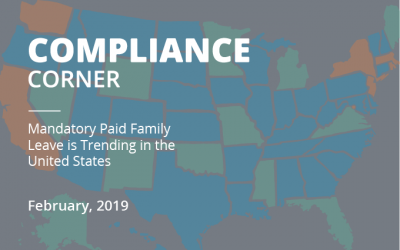
Mandatory Paid Family Leave is Trending in the United States
Blog, Compliance
Is your organization required to provide mandatory paid leave to your employees? Check out this list of jurisdictions requiring, or…
Read More
The New Year Brings Many Changes to Ontario’s Employment Standards Act
Blog, Compliance
On November 21, 2018, Ontario passed the Making Ontario Open for Business Act, 2018 (“Bill 47”) which repealed or rewrote many of Bill 148’s…
Read More
Can FMLA Leave Be Used to Care for an Adult Child?
Blog, Compliance
FMLA leave is frequently used by parents to bond with a newborn or to care for a child under age 18 ,…
Read More
Calculating Regular Rate of Pay: FLSA Overtime
Blog, Compliance
Properly determining an employee’s regular rate of pay for overtime purposes can be confusing and mistakes costly. Here are 10…
Read More
Can Paid Sick Leave be Taken for School Closures and Activities?
Blog, Compliance
Can paid sick leave be taken for school closures and events? Employers should determine which state and local sick leave…
Read More
FMLA Recordkeeping: A Commonly Neglected Area of Compliance
Blog, Compliance
When employees request FMLA leave there are many aspects of compliance to take into consideration. Employers often overlook requirements of…
Read More
Timesheet Rounding: Best Practices to Avoid Liability
Blog, Compliance
Since timesheet rounding can create compliance risks for employers, here are six best practices to follow to avoid the hazards…
Read More
6 Compliance Issues Every Manager Should Know
Blog, Compliance
Check out this high-level review of six need-to-know compliance topics that every manager should know whether your new to management…
Read More
Answers to Important Overtime Questions
Blog, Compliance
Compliance with FLSA overtime requires knowledge of who must be paid overtime, who is exempt, and how to calculate overtime.…
Read More
Military Service and the FMLA – 9 Reasons for Qualifying Exigency Leave You Should Know About
Blog, Compliance
Most employers are familiar with FMLA, but few know about qualifying exigency leave. Learn about the 9 exigencies that require employers…
Read More
Employer Best Practices for Managing FMLA Leaves
Blog, Compliance
Tracking FMLA leave can be an administrative challenge. Here are 11 best practices employers should follow to comply with the FMLA…
Read More

GDPR Compliance Made Easy
Blog, Thought
Europe’s new General Data Protection Regulation (GDPR) is rolling out with fines up to €20 million or 4% of global revenue…
Read More
Like it or Not, Workplace Laws Continue to Change
Blog, Compliance
Laws affecting workers are not set in stone. Regulations regarding leaves of absence, payment of wages, employee scheduling, and other…
Read More
ADA Reasonable Accommodation: 7 Common Mistakes to Avoid During the Accommodation Process
Blog, Compliance
The ADA reasonable accommodation process can be perplexing, with mistakes often resulting in unwelcome and costly litigation. This blog post…
Read More
Overcoming Year-End and New Year Employment Challenges
Blog, Compliance
A resolution for all employers should be to know and understand the laws affecting their employees and be ready for…
Read More

To the Executive Putting Off Workforce Management for “One More Year”
Blog, Compliance
Are you considering putting off workforce management for one more year? Here are 4 reasons why you shouldn't wait to start…
Read More

A FMLA Story for Employers Everywhere
Blog, Compliance
The Family Medical Leave Act's regulations are strict. The way your company manages FMLA cases can determine whether the story…
Read More
Predictive Scheduling Laws: 10 Rules Employers Should Know
Blog, Compliance
Predictive Scheduling laws are intended to treat employees fairly by requiring better scheduling practices, which can be a burdensome trend…
Read More
What Happens When Modern Organizations Neglect Their Workforce Management
Blog, Thought
The real-world consequences manual processes can have on organizational compliance, costs, efficiency, and morale.
Read More
7 FLSA Mistakes Employers Can’t Afford to Make
Blog, Compliance
The Department of Labor estimates that 70% of employers are not complying with FLSA in some way. Here are 7 potentially costly…
Read More

The Hazards of Busy Work
Blog, Thought
Today, your value as an employee hinges not on how much you do, but on how well you do it.
Read More

Be the CEO of Your Position
Blog, Thought
Psychometric data explains how to perform like a CEO in any role. Adopting the traits of a best-in-class CEO will…
Read More
New State Leave Laws are Popping Up Around the U.S.
Blog, Compliance
New state leave laws are popping up around the U.S. Here is a short description of several state laws…
Read More

You Don’t Deserve Your Job
Blog, Thought
Do you ever feel like you don't deserve your job? It's important to know you're not alone. Here are 5 ways…
Read More

Stop Feeling Tired Already
Blog, Thought
Your daily energy is finite, dwindling by the minute. So make those minutes count. Fatigue management starts with …
Read More
Change
Blog, Thought
Change is a given. Change fatigue, however, doesn’t have to be. Not with the right approach, anyway.
Read More

How to Become a Morning Person
Blog, Thought
Have a productive, fulfilling day by scientifically engineering the perfect morning.
Read More
The Leadership Funnel: Cultivating Your Company’s Future
Blog, Thought
Research shows that organizations often struggle to develop their most promising people.
Read More

How to be Less Productive
Blog, Thought
4 seemingly good habits that are actually holding you back at work.
Read More

Deep Work: How to Achieve Profound Focus
Blog, Thought
Retrain yourself to be less distracted and more productive.
Read More

The Science of Mastery
Blog, Thought
Catapult your work performance through deliberate practice and marginal gains.
Read More

How to Stay Positive When Things Fall Apart
Blog, Thought
3 questions that’ll help you make the best of a bad situation.
Read More

Flow: How to Sustain Peak Performance
Blog, Thought
Flow might be the most desirable state on earth. It’s also the most elusive.
Read More

How Capable Leaders Effect Change
Blog, Thought
Lessons from one of the most powerful leadership emails ever written.
Read More

Are You a Valuable Employee?
Blog, Thought
5 elements by which to measure your worth to an organization.
Read More

How to Ask Good Questions
Blog, Thought
The most important skill to bring to work each day.
Read More
Are Retail Associates Dying Out?
Blog, Thought
Automation is replacing workers at an alarming rate.
Read More

Emotional Mastery: The Secret to a Good Career
Blog, Thought
Conquer your emotions to achieve happiness and productivity at work and in life.
Read More

Grit: How to Become Indispensable at Work
Blog, Thought
When it comes to professional success, talent matters. But grit matters more.
Read More

One Profound Mistake With Your Retail Data?
Blog, Thought
You have the data, but are you making the most of it?
Read More

Sleepiness: The Career Killer
Blog, Thought
How employees can rest their way to safe, productive, consequential work.
Read More
The Science of Retail Harmony
Blog, Thought
Balancing people and economics drives customer success, sales.
Read More

How to Work on a Global Team
Blog, Thought
Maximize your potential when collaborating with colleagues overseas.
Read More
Don't Get Sued for Unpaid Work
Blog, Thought
Under federal labor law, all hours worked must be paid.
Read More
How to Praise Employees
Blog, Thought
When done right, recognition makes workers happy, productive, and loyal.
Read More

Who Owns Your Workforce Management Solution After It Goes Live?
Blog, Thought
A critical question that's often overlooked.
Read More

How to be Clearly Understood When Speaking at Work
Blog, Thought
Are your communication skills cursed?
Read More

Will Online Shopping Kill the Retail Store?
Blog, Thought
Learn the potent strategy supermarkets (and other retailers) can use to compete with the ever-growing online space.
Read More

5 Habits of Highly Productive Employees
Blog, Thought
Learn simple behaviors that will give you more energy and focus at work.
Read More
The “Connected” Workforce: Creating Efficient, Productive Employees at Every Level
Blog, Thought
Technology that empowers people to worker smarter and accomplish more.
Read More
How to Motivate Your Employees
Blog, Thought
Psychology explains what inspires people to get work done—and love doing it.
Read More
Future-Proof Your Workforce: How to Earn Employee Loyalty
Blog, Thought
Loyal workers stay longer, care deeper, and accomplish more for their employers.
Read More
New Survey: The 6 Most Critical Workforce Management Issues of 2017
Blog, Thought
The pressing items your competitors will address over the next 18 months.
Read More

7 Life Quotes to Jolt Your Perspective on Work
Blog, Thought
A fresh perspective is a funny, powerful thing.
Read More
7 Scheduling Challenges Managers Can Finally Stop Stressing About
Blog, Thought
Schedule less, lead more.
Read More

A Leader’s Words Carry Weight: Are You Saying the Right Things?
Blog, Thought
Say smart stuff. Earn trust. Engage your team. Lead with confidence.
Read More

WARNING: What Happens When Employers Violate Labor Laws
Blog, Thought
The legal, financial, and PR consequences are brutal—and completely avoidable.
Read More
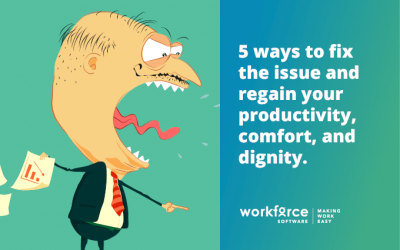
How to Work with a Jerk
Blog, Thought
5 ways to fix the issue and regain your productivity, comfort, and dignity.
Read More
7 Ways Smartphones Are Rewriting the Rules of Shift Work
Blog, Thought
Traditional employee mechanics are dead.
Read More

Fairness: The Future of Hourly Employment
Blog, Thought
When a worker’s health and family are on the line, higher wages only go so far.
Read More
10 Qualities All Beloved Colleagues Share
Blog, Thought
The more your coworkers like you, the easier your job will be.
Read More
“How and why should my company use labor data?” asked the CEO.
Blog, Thought
A workforce management expert sits down for a conversation about labor data.
Read More

Be More Human This Holiday Season: 3 Ways to Give Back
Blog, Thought
Engage your community, empower your life.
Read More

What to Think About Before Starting a Workforce Management Project
Blog, Thought
7 unbiased tips that'll help you approach your workforce management project with clarity and purpose.
Read More

A New, Proactive Approach to Employee Absenteeism in 2017
Blog, Thought
You may never look at workplace absence the same way again.
Read More

New Research: Hourly Jobs Are Hurting Families
Blog, Thought
One remediable problem is tormenting hourly workers, especially those raising children.
Read More
Seasonal Employees: A Practical Guide for Retail Managers
Blog, Thought
7 management practices proven to promote success among temporary, seasonal hires.
Read More

This is Why Your Best People are Job Hunting Right Now
Blog, Thought
A vicious cycle is costing you talent.
Read More
How to Breed High-Performing Employees
Blog, Thought
The potent formula leaders use to engage employees and delight customers.
Read More

How to Delight Customers in Any Industry
Blog, Thought
Two words: Domino effect.
Read More
The Art of Creative Scheduling: 5 Changes That’ll Optimize Your Labor Spend
Blog, Thought
These adjustments will engage employees, delight customers, and drive your brand forward.
Read More

Why Your Expensive Employee Just Quit
Blog, Thought
How to avoid the extraordinary cost of turnover.
Read More
Did You Catch These New, Unorthodox Trends at HR Tech 2016?
Blog, Thought
New tactics to inspire employee performance.
Read More
What Not to Say at Work
Blog, Thought
5 statements despised by employees everywhere.
Read More

Create Lasting Work Relationships: A Crash Course in Emotional Intelligence
Blog, Thought
An essential read for anyone that lives or works with other people.
Read More
Better Than a Raise: What Today’s Employees Value More Than Money
Blog, Thought
How to make your employees happier, more passionate, and more productive without spending a dime on payroll.
Read More

“Sick” Day: Why Employees Lie
Blog, Thought
52% of workers that call in sick are not actually under the weather. They’re suffering from something else, something you…
Read More
Managers: Will Your Confidential Performance Reviews Soon Become Public Knowledge?
Blog, Thought
Every Naked Organization prides itself on transparency and honesty, but this level of corporate candor is entirely unprecedented.
Read More

How Traditional Employers Can Start Stealing Their Workers Back from the Gig Economy
Blog, Thought
Become an employer of choice.
Read More

An Intimate Portrait of Your Exhausted Employee: 6 Signs the Job is Killing Them
Blog, Thought
How to spot fatigued workers, so you can address the issue before it gets out of hand.
Read More

A Glimpse Into Tomorrow’s Artificially Intelligent HR Departments
Blog, Thought
Does AI scare you?
Read More

The Dangerous Truth about Employee Empowerment Every HR Director Should Learn
Blog, Thought
Empowerment has a dark side.
Read More

How to Create Brilliant HR Surveys Your Employees Won’t Be Able to Ignore
Blog, Thought
Give your people a sense of purpose ...
Read More

An HR Researcher Explains the One Workplace Characteristic Shared by Every Great Company
Blog, Thought
One element can make or break your work environment.
Read More
HR Pros Agree: It is the Most Fascinating Topic Known to Man
Blog, Thought
Every day, in meeting rooms and living rooms across the world, people discuss this.
Read More

December 1, 2016: A New Beginning for Retailers (And Their Employees)
Blog, Thought
Overtime regulations have been updated ...
Read More

Scheduling the Masses
Blog, Thought
Choose the right scheduling software for your needs, from simplifying compliance with union requirements to optimizing demand-based schedules.
Read More

The Inaugural WorkForce Dream Builder Experience
Blog, Thought
In partnership with GENYOUth.org’s innovative youth social entrepreneurship program (AdVenture Capital), WorkForce Software went on a search to…
Read More

Are You Doing Business in the U.S.?
Blog, Thought
The Department of Labor (DOL)’s new overtime rule is big news for employers and employees, alike. While the revisions…
Read More

3 Ways to Reduce Cloud Security Risks
Blog, Thought
Reduce cloud security risks by asking the right questions. Start with these tips and evaluate each vendor’s approach before…
Read More

Time Tracking for Exempt Employees
Blog, Compliance
From improved scheduling to accurate overtime calculations, it’s easy to see how hourly employees benefit from a digitalized workforce…
Read More

VISION 2016 Workforce Management Conference
Blog, Thought
Are you ready for the workforce management conference of the year? At VISION 2016, you’ll learn how to help your…
Read More

Compliance Regulations: Update 2016
Blog, Thought
One of the biggest challenges for human resources professionals is keeping up with compliance regulations.
Read More

How Workforce Management Processes Impact Employee Satisfaction
Blog, Thought
Consider what your employees care about most—accuracy, fairness, and work-life balance rise to the top. Having HR policies in…
Read More

Three Tips for Effective Attendance Management
Blog, Thought
Showing up to work on time is a good practice for any employee, but in some environments, every minute really…
Read More

When 12 Weeks of Medical Leave Are Not Enough
Blog, Compliance
Some employers assume that if an employee with a serious health condition cannot return to work immediately following 12 weeks of…
Read More